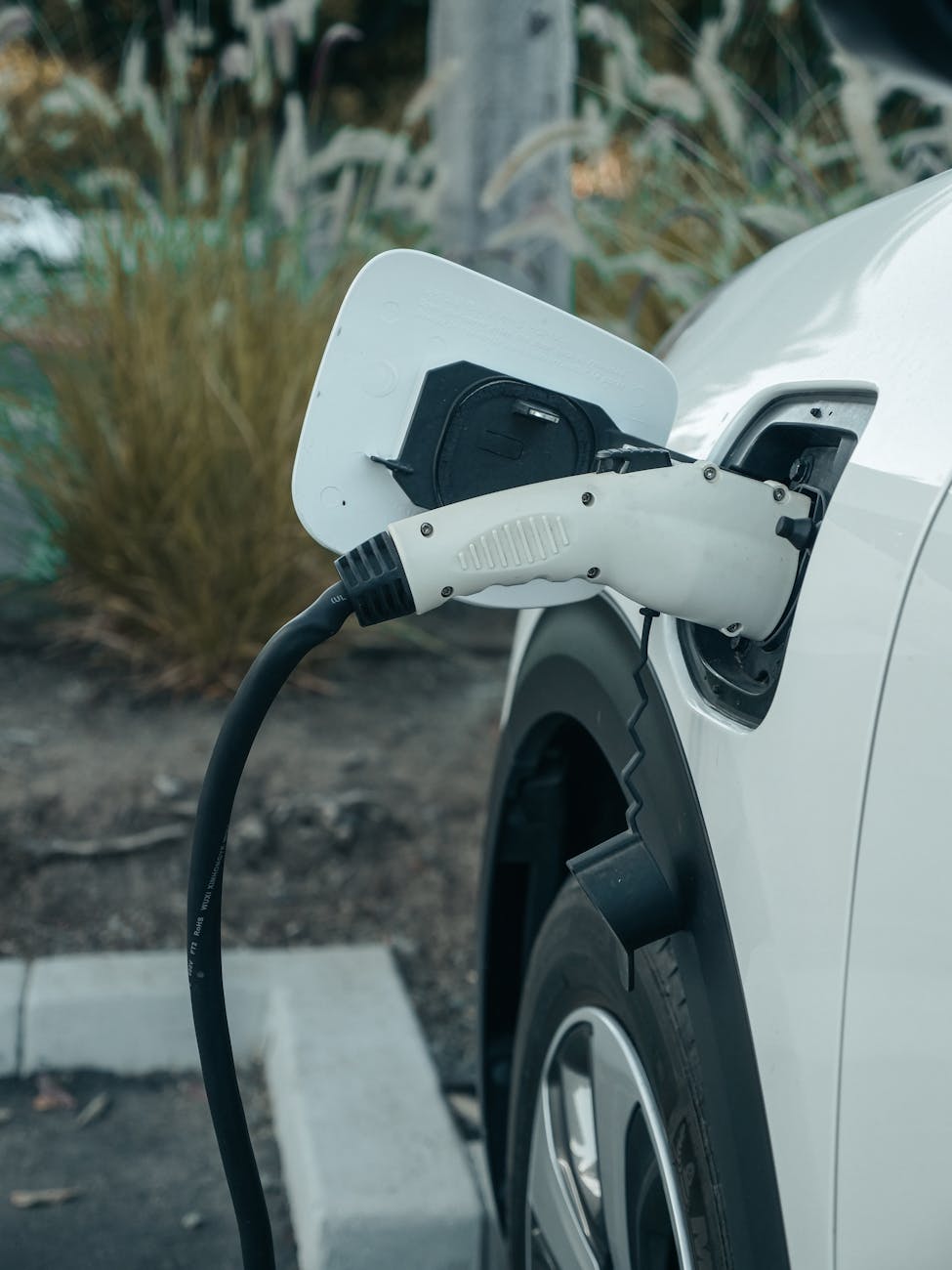
Switching to an electric vehicle is one of those decisions that feels both empowering and… a little intimidating. The quiet ride? Love it. The savings on gas? Absolutely. But the moment you start looking at home EV chargers, the questions pile up fast.
Level 1? Level 2? Amps? Hardwired? Plug‑in? And why does every charger look like it belongs on the set of a sci‑fi movie or straight out of Transformers.
If you’ve been there, you’re not alone. So, let’s break it down in a way that makes logical sense — especially the lens of the life of a modern parent — juggling work, kids, errands, a social life and the occasional moment of peace.
Start With the Basics: Level 1 vs. Level 2
Level 1 Charger (the one that comes with your car)
- Plugs into a regular household outlet
- Adds about 3–5 miles of range per hour
- Works if you drive very little or charge overnight for long stretches
Best for: Apartment living, hybrid drivers, or very light daily mileage.
Level 2 Charger (the one most homeowners install)
- Requires a 240‑volt outlet (like a dryer plug)
- Adds 20–40 miles of range per hour
- Fully charges most EVs overnight
Best for: Anyone with a commute, school drop‑offs, sports practices, or weekend road trips.
If you’re a mom on the go, Level 2 is the sweet spot.
Know Your Home’s Electrical Setup
Before you fall in love with a charger, check two things:
1. Do you already have a 240‑volt outlet in the garage?
If yes, you can choose a plug‑in charger — cheaper and easier to install.
If not, you’ll need an electrician to add one. (In DFW, this usually runs $300–$800 depending on distance and panel capacity.)
2. How many amps can your panel support?
Most Level 2 chargers come in 32A, 40A, 48A, or 50A versions.
- 32A → works in most homes
- 40A → faster, still widely compatible
- 48A+ → fastest, but requires a beefier electrical panel
For most families, 40A hits the perfect balance of speed and affordability.
Smart Features: Worth It or Not?
Many chargers now come with “smart” features — think of them like the difference between a basic coffee maker and one that syncs with your phone and house.
Features worth having:
- App control (start/stop charging from your phone)
- Scheduled charging (charge during off‑peak hours to save money)
- Energy tracking (helpful for budgeting)
- Wi‑Fi or Bluetooth connectivity
These features make life easier, especially when you’re managing a household and trying to keep costs predictable.
Cord Length Matters More Than You Think
Most chargers come with 18–25 foot cords.
If your garage is tight, or if you sometimes park outside, go for the longer cord. Trust me, it is worth the extra expense. It also gives you flexibility without rearranging your whole life or playing Car Jenga. That being said, the longer length can create additional resistance in charging process.
Hardwired vs. Plug‑In: Which Should You Choose?
Plug‑In
- More flexible
- Easier to replace
- Often cheaper to install
Hardwired
- Required for higher‑amp chargers
- Slightly cleaner look
- Better for outdoor setups
If you’re renting (first consult your super or landlord) or think you may move, plug‑in is most likely the way to go.
Weather Rating (Yes, It Matters in Texas)
Look for NEMA 3R or NEMA 4 ratings if your charger will be outside. Texas storms, heat waves, and dust storms are no joke.
Budget: What You Can Expect to Spend
- Charger: $300–$800
- Installation: $300–$1,200 depending on electrical work
- Total: Usually $600–$2,000
And yes — tax credits and utility rebates may be available depending on your provider.
So… Which Charger Should You Choose?
Here’s our take:
- Live in a house with a garage? → Level 2, 40A, plug‑in
- Drive a lot? → Level 2, 48A (if your panel can handle it — trust us, ask a certified electrician for guidance)
- Want the easiest setup? → Level 2, 32A, plug‑in
- Charger outside? → Weather‑rated, hardwired, with a sun cover, if possible
- Love tech? → Smart charger with app control
Final Thoughts
Choosing an EV charger doesn’t have to be complicated, but it does require thought and a bit of planning. Think about your daily routine, your home setup, the age of your electrical panel and your budget, and the right option becomes clear.
There are also several resources to help:
From the Texas Department of Transportation, here
From ComEd in Chicago, here
And once it’s installed? Charging becomes one less thing to think about — which is exactly the point.
Need extra guidance, let me know at teiacollier@dfwsinglemom.com