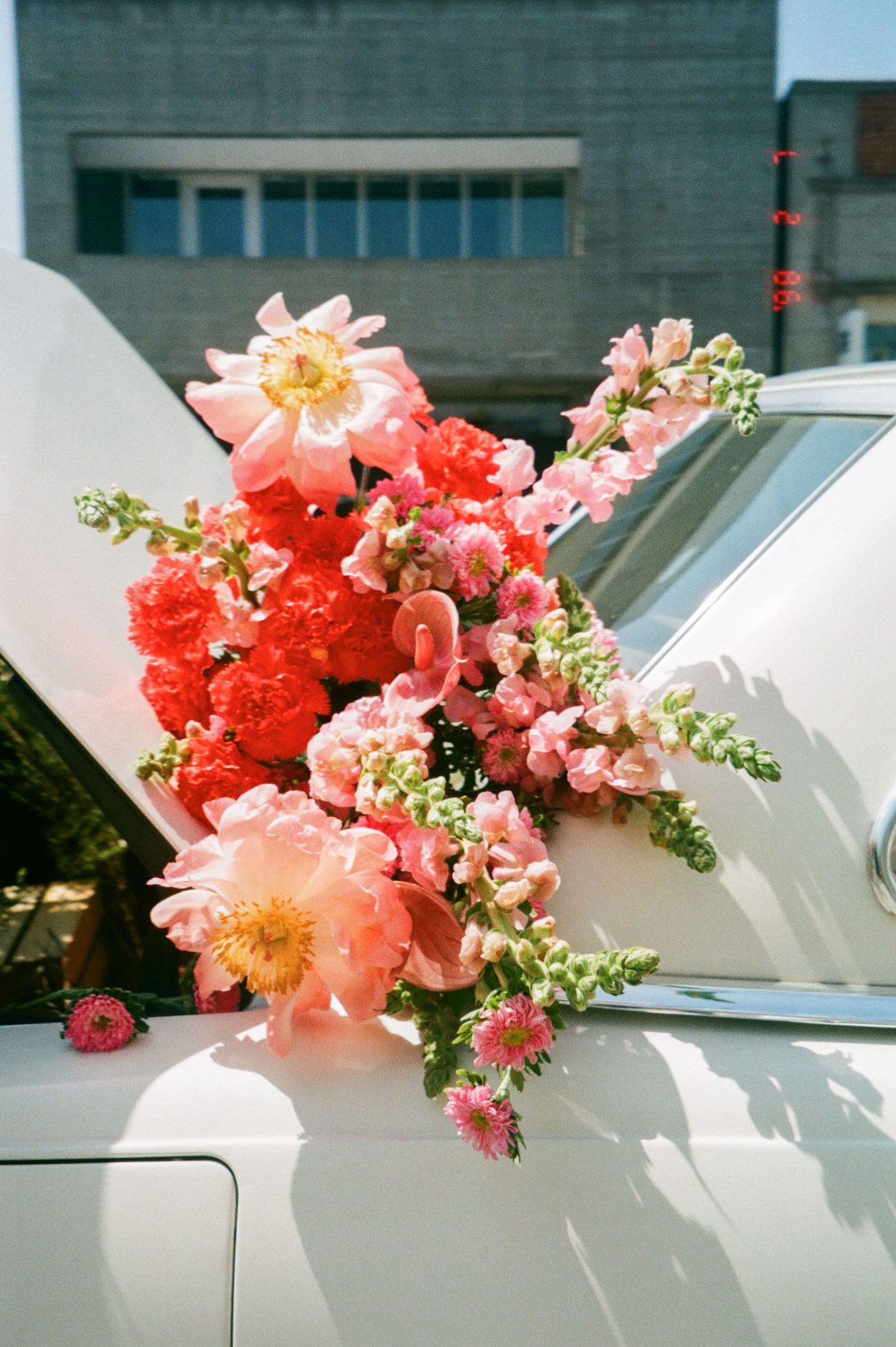
Spring in DFW means one thing: flowers are everywhere. Wildflowers popping up on roadsides, grocery store buckets overflowing with tulips, and maybe even a few surprises blooming in your own backyard. And here’s the thing—you don’t need to be a florist to turn those beauties into something stunning for your table.
I’m all about finding joy in the little things that don’t break the bank. A homemade bouquet? It’s a ten-minute project that makes your whole kitchen feel like a Pinterest board. Here’s how I do it.
Start With What You’ve Got
Seriously—look around. Trader Joe’s and Whole Foods have incredible $5 bunches. Your local grocery has clearance blooms. Your neighbor’s overgrown rosemary bush? That counts. Those little wildflowers your kids picked on the walk home? Absolutely yes. Spring arranging isn’t about perfection; it’s about gathering what catches your eye.
My go-to spring picks:
- Tulips (they keep growing in the vase, which is kind of magical)
- Ranunculus (fancy-looking but surprisingly affordable)
- Greenery from your yard—eucalyptus, ferns, even herb sprigs
- Grocery store carnations (I know, I know—but they last forever and come in the prettiest spring colors now)
The Only “Rule” You Need
Odd numbers. That’s it. Three stems, five stems, seven—odd groupings just look better. Your eye moves around instead of splitting things down the middle. It’s one of those tricks that makes everything feel intentional even when you’re winging it.
Build in Layers
Here’s my lazy-girl method that works every time:
- Greenery first. Stick your leafy stuff in the vase to create a base. This gives your flowers something to lean against and fills out the arrangement without buying more blooms.
- Biggest flowers next. These are your anchors. Space them out in a triangle shape—doesn’t have to be exact, just roughly triangular.
- Fill in with smaller stems. Tuck in your daintier flowers and any wildflowers or herbs. Let them peek out at different heights.
- Step back and rotate. Turn the vase, see what looks sparse, and add a stem or two where it needs love.
Vase Hacks for the Vase-Less
No vase? No problem.
- Mason jars (obviously)
- That cute milk pitcher you never use
- An empty wine bottle for a single long stem
- A drinking glass wrapped with twine or ribbon
- Literally any container that holds water—I’ve used a coffee mug and it looked adorable
Make Them Last
Cut stems at an angle, change the water every couple of days, and keep the vase out of direct sunlight. Tulips especially hate heat—they’ll flop dramatically if they get too warm.
One more trick: a tiny splash of vodka or a penny in the water. Sounds like an old wives’ tale, but it actually slows bacteria growth. (Save the rest of the vodka for after bedtime. You’ve earned it.)
Let It Be Imperfect
The best part about DIY bouquets is that messy is the look. That loose, just-gathered-from-the-garden vibe is what people pay florists big money to recreate. So if your arrangement looks a little wild? You nailed it.
Spring is short—grab those flowers while they’re here and bring a little of that magic inside.
What’s your favorite spring flower? Drop it in the comments—I’m always looking for new favorites to hunt down at the store.